Every benefits leader knows the moment.
You’re reviewing next year’s healthcare projections, scanning pharmacy spend, and suddenly one category jumps off the page. It’s growing faster than everything else, and the numbers are big enough to make the entire room pause.
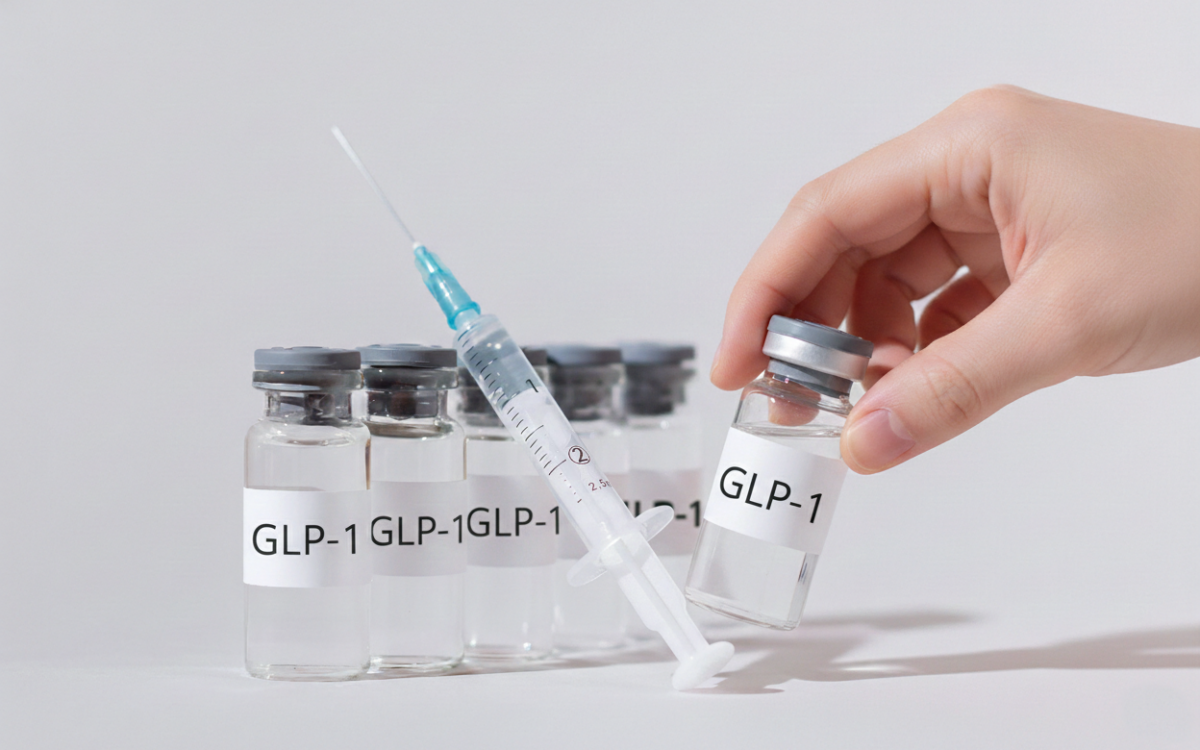
Right now, for many employers, that category is GLP-1 medications.
At first glance, the reaction is almost automatic. These prescriptions are expensive. Utilization is increasing quickly. Coverage could significantly impact plan budgets. In a year when healthcare costs are already rising, adding another high-cost drug class feels risky.
But here’s where the conversation gets more complicated. When you look beyond the immediate pharmacy bill and start measuring total medical claims, chronic disease risk, and long-term workforce health, GLP-1s begin to look less like a simple expense and more like a strategic investment.
For employers trying to control healthcare costs while supporting employee well-being, that distinction matters.
Why GLP-1 medications have become a benefits flashpoint
GLP-1 medications, formally known as glucagon-like peptide-1 receptor agonists, were initially developed to treat type 2 diabetes. Their primary purpose was to regulate blood sugar levels and improve insulin response. Over time, clinicians observed that these therapies also reduced appetite and supported sustained weight loss, which opened the door to broader use in obesity and chronic weight management.
That secondary benefit dramatically expanded demand.
Drugs like Ozempic, Wegovy, and Rybelsus quickly moved into the mainstream, and prescriptions surged across both diabetes and weight-loss populations. In 2024 alone, semaglutide products generated more than 25 million prescriptions, making them some of the most widely used medications in the United States.
From an employee perspective, the appeal is clear. These medications can improve metabolic health, lower cardiovascular risk, and help individuals manage conditions that often feel impossible to control through lifestyle changes alone. From an employer perspective, however, the rapid growth in utilization has created a new layer of financial pressure that is hard to ignore.
The upfront cost that makes employers hesitate
The financial reality is what typically dominates early conversations. GLP-1 medications often cost hundreds of dollars per month for insured patients and can exceed $1,000 monthly without coverage. When even a small percentage of a workforce begins using these therapies, pharmacy spending can increase quickly and noticeably.
For self-insured employers responsible for every claim dollar, that creates understandable caution. Expanding coverage can feel like opening the door to runaway costs, especially when pharmacy budgets are already under strain from specialty drugs and rising utilization.
If the analysis stops there, the decision seems straightforward. The drugs are expensive, so limiting coverage protects the budget.
But stopping there may overlook a much larger and more important part of the equation.
Looking beyond pharmacy spend to total healthcare costs
The real story starts to emerge when employers evaluate total cost of care instead of just prescription costs.
According to analysis from consulting firm Aon, employees who consistently used GLP-1 therapies experienced lower overall medical spending over time compared to non-users. Among individuals managing diabetes, sustained use was associated with noticeable reductions in healthcare costs after roughly two and a half years. Employees using GLP-1s for weight management often saw improvements even sooner, along with fewer serious health events such as cardiovascular complications and certain cancers.
You can explore Aon’s research here:
https://www.aon.com
These findings are significant because conditions like obesity, diabetes, and heart disease are among the largest drivers of employer-sponsored health plan expenses. Hospitalizations, surgeries, long-term complications, and ongoing treatment costs add up far beyond the price of a single prescription. If a medication meaningfully reduces those risks, the long-term savings can outweigh the initial pharmacy spend.
In that context, GLP-1s start to resemble preventative care rather than discretionary treatment.
A challenging cost environment for employers
This debate is happening at a time when benefits leaders are already navigating one of the toughest cost environments in years. Healthcare inflation remains elevated, and employers are facing increases across medical services, hospital care, and prescription drugs.
Mercer’s National Survey of Employer-Sponsored Health Plans projects that total health benefit costs per employee will rise 6.7 percent in 2026, the highest increase in more than a decade, pushing average annual costs above $18,500 per employee. Prescription medications represent a growing share of those expenses, with GLP-1 drugs playing a visible role in the trend. Mercer’s full survey is available here:
https://www.mercer.com
At the same time, employer attitudes toward GLP-1 coverage are evolving. The 2025 Employer Health Benefits Survey from KFF found that coverage for weight-loss medications among very large employers increased sharply in just one year, jumping from 28 percent to 43 percent. That shift suggests many organizations see potential strategic value despite the upfront costs. You can review the KFF survey here:
https://www.kff.org
The question is no longer simply whether GLP-1s are expensive. The question is whether not addressing chronic conditions might cost even more in the long run.
From pharmacy benefit to workforce strategy
This is where GLP-1 coverage moves beyond a line item and becomes part of a broader total rewards and workforce health strategy.
Chronic conditions like obesity and diabetes do not just increase medical claims. They affect absenteeism, disability leave, productivity, and employee engagement. Over time, those indirect costs can rival or exceed direct healthcare spending. When employees feel healthier and more supported, organizations often see improvements that ripple across performance, morale, and retention.
Employers that choose to offer coverage are increasingly pairing access with thoughtful plan design. Utilization management, prior authorization, and participation in lifestyle or coaching programs help ensure that medications are used appropriately and tied to sustainable behavior change. This balanced approach protects the plan while still giving employees access to clinically meaningful care.
It’s not about unlimited coverage. It’s about responsible, strategic coverage.
Taking the long view
Benefits strategy rarely works on a one-year timeline. The decisions that matter most often show their impact over several years, especially when it comes to chronic disease prevention and population health management.
When employers evaluate GLP-1s through a short-term lens, they see higher pharmacy costs. When they evaluate them through a three-to-five-year lens, they may see fewer claims, lower risk, and a healthier workforce. The organizations that step back and take that broader view are often the ones that make the most sustainable choices.
At C2, we work with employers who face these complex trade-offs every day. Healthcare benefits are rarely about choosing the cheapest option. They are about balancing cost control, employee well-being, compliance, and long-term outcomes in a way that aligns with each organization’s goals.
Our role is to help clients evaluate the full picture, interpret the data, and design benefits strategies that make sense both financially and operationally. Whether it’s GLP-1 coverage, pharmacy management, or broader workforce health planning, we focus on solutions that reduce risk, improve outcomes, and create sustainable value over time. Because in today’s benefits landscape, the smartest decisions are rarely the quickest ones. They’re the ones backed by strategy, insight, and a clear understanding of where healthcare costs and employee needs are headed next.